Understanding Nervines

Life can be stressful. Whether it’s juggling work, family, or just the general chaos of daily life, it’s easy for our nervous system to feel overloaded. That’s where nervine herbs come in. These powerful plant allies support and nourish the nervous system, helping us handle stress more effectively and find a sense of calm when we need it most.
But here’s the thing, herbs aren’t magic pills. They’re tools for empowerment, helping you take control of your health in a natural, sustainable way.
If you’ve ever felt overwhelmed and wondered if herbs could help, this guide is for you.
What Are Nervines?
Nervines are a category of herbs that support the central nervous system (CNS) and peripheral nervous system (PNS). They help regulate the body’s stress response, ease tension, and promote relaxation.
Unlike adaptogens, which work over time to help the body build resilience, nervines work more in the moment—providing relief when you need it.
There are different types of nervines, ranging from gentle tonics that nourish the nervous system to stronger relaxants that promote deep relaxation.
Common Nervine Herbs:
- Gentle Nervine Tonics (nourish and restore the nervous system over time):
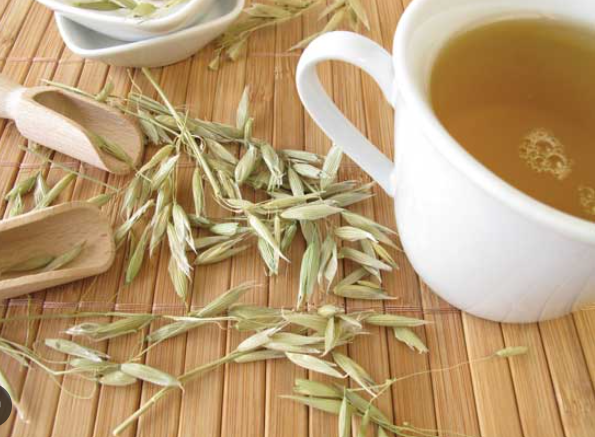
- Milky oats (Avena sativa) – Rich in minerals and B vitamins, milky oats help rebuild and nourish an overworked nervous system, making them ideal for long-term support. Oat straw and oatmeal will help with this too. I love an oat straw tea.
- Lemon balm (Melissa officinalis) – Known for its uplifting yet calming effects, lemon balm helps ease nervous tension while supporting focus and mental clarity.
- Skullcap (Scutellaria lateriflora) – This gentle nervine helps quiet racing thoughts, making it a great choice for winding down after a long day. I’ve been using this before bed for leg restlessness. Works beautifully.
- Mildly Calming Nervines (help with occasional stress and tension):
- Stronger Nervine Relaxants (best for acute stress and occasional sleeplessness):
- Valerian (Valeriana officinalis) – A powerful sedative herb, valerian helps with occasional insomnia and deep relaxation, although about 10% of the population find it stimulating instead of calming. I use this in tincture form when I find myself waking up at the same time every night for a week or so.
- Hops (Humulus lupulus) – Often used alongside valerian, hops are highly effective at promoting sleep and relieving nervous tension.
- Kava kava (Piper methysticum) – Traditionally used for its deeply calming effects, kava helps ease muscle tension and stress without dulling mental clarity. My husband uses this one, so it doesn’t interfere with his job during the day.
- St. John’s Wort (Hypericum perforatum) – This herb is often used to support emotional well-being, but it can interact with medications, so use with caution.
How to Use Nervines
Nervine herbs can be taken in a variety of forms depending on your needs and preferences,
But, regardless of how you take them, the key is using nervines mindfully.
If stress is an ongoing issue, herbs can help, but they’re not a substitute for addressing the root cause.
If your nervous system always feels fried, it’s time to dig deeper into what’s causing the issue.
Remember herbalism is about fixing a problem not covering it up.
- Teas – A warm cup of chamomile or lemon balm tea can work wonders for relaxation and tastes amazing.
- Tinctures – Taken as drops, they are fast-acting and convenient. They’re great for on-the-go stress relief or just before bedtime.
- Capsules & Powders – Ideal for those who prefer a more measured approach.
- Infusions – Milky oats or oat straw, in particular, shine as a nourishing herbal infusion for a more consistent long-term nervous system support.

Nervines and Everyday Use
While nervines can be taken regularly, they shouldn’t become a crutch. Herbs work best when incorporated into a lifestyle that supports overall well-being—things like quality sleep, proper nutrition, movement, and stress management practices.
That’s what makes herbalism so empowering. It’s not just about taking an herb and hoping for the best; it’s about learning how to care for your body in a way that builds long-term resilience. When you start using nervines intentionally, you’ll notice that you’re not just reacting to stress—you’re actively creating a more balanced, sustainable way of living.
Taking Control of Your Health with Herbs
If you’re ready to start using nervines, begin with the gentler herbs like chamomile, lemon balm, or skullcap. See how your body responds, and adjust as needed. Herbalism is all about learning what works for you and developing confidence in your ability to support your own health.
The beauty of nervines—and herbal medicine in general—is that it puts you in control. Instead of relying on quick fixes, you’re building a foundation for long-term well-being. And that’s the real magick of herbalism.
So, which nervine are you excited to try first? Comment below and let me know!
Then tell me how what you did and it worked for you!
If you want to keep building your herbal skills and feel more at ease making your own remedies, I’ve got more resources waiting for you. You can head over to the Education tab anytime. There’s a whole collection of guides, and self-paced courses to help you feel confident using herbs for yourself and your family.